FishingGearUnlimited.com
Fishing -Education - Gear - Strategies - Solutions
HomeAbout UsFresh WaterSalt WaterStrategiesSolutions

Our Website Is About Fishing: Education, Intelligence 
and Resources To Accomplish ALL Your Fishing Success!
Welcome to FishingGearUnlimited.com
If you’re looking for high quality and personal service, you’ve come to the right place. At Fishing Gear Unlimited we’ll give you the attention and personal service you’ll come to expect and enjoy. We offer the best in (list products or services). Fishing Gear Unlimited has been located in Hardin since (year you opened) 2000. Let us put our experience to work for you.
For more information please:
Contact Us
Fishing: An overview


Fishing, at its core, is the act of trying to catch fish and other aquatic animals from their natural habitats or stocked waters. It's an age-old practice with a rich history, initially serving as a means of survival, and now also enjoyed as a popular recreational activity and a significant industry globally. 

Why people fish

People fish for various reasons:
Food: Fishing remains a vital source of food and protein, particularly in many developing countries, and for individuals and families in subsistence fishing.

Recreation/Sport: Recreational fishing, also called sport or game fishing, is pursued for pleasure, competition, and the thrill of the chase. This includes various styles like angling, fly fishing, and big-game fishing targeting large open-water species like tuna and marlin.

Commercial purposes: Commercial fishing is a major industry supplying seafood to markets worldwide and supporting millions of livelihoods.

Culture and tradition: In many communities, especially aboriginal groups, fishing is deeply embedded in cultural heritage and tradition. 

Types of fishing and equipment

Fishing encompasses diverse methods and equipment tailored to the target species, environment, and desired outcome: 

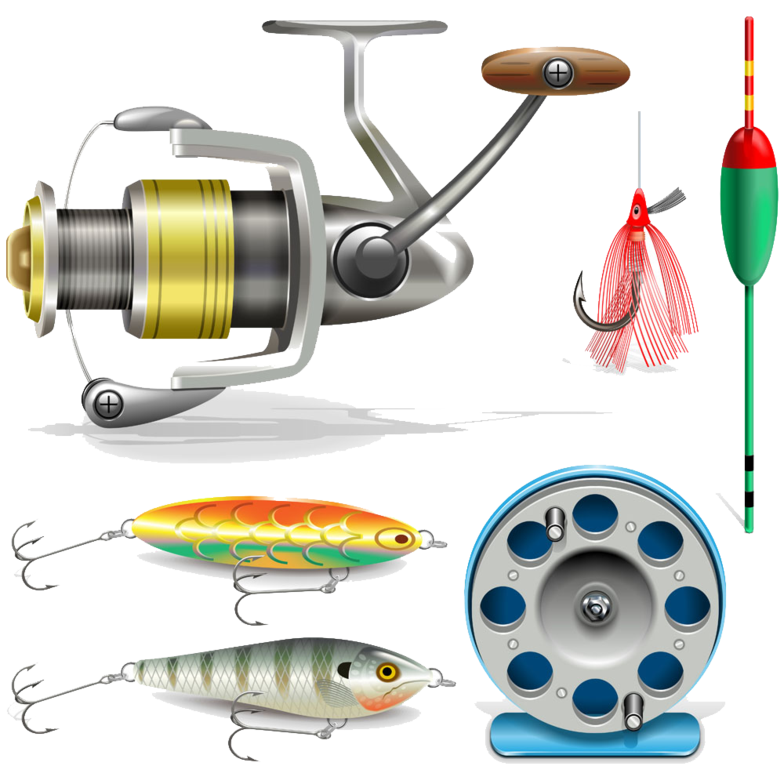
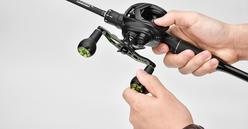
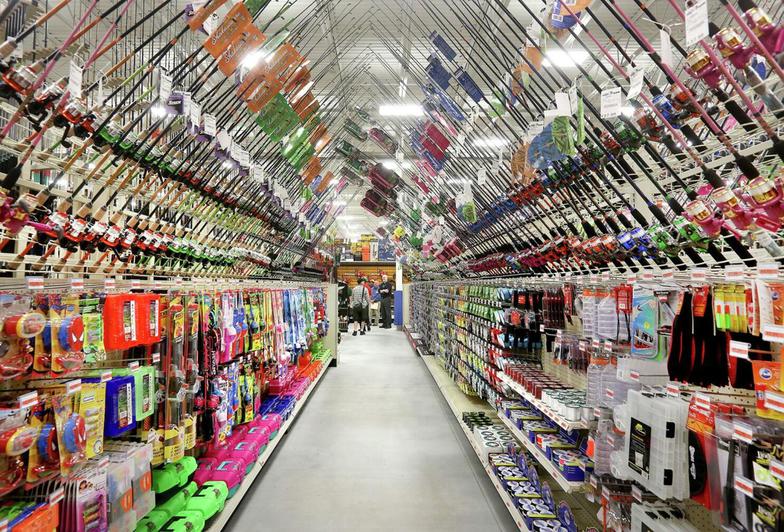
Angling: The most common recreational method, using a rod, reel, line, hooks, and a wide range of baits or lures.

Netting: Employing various types of nets, from hand-held to large commercial trawls, to capture fish.

Trapping: Using traps or pots to ensnare fish or crustaceans, like crabs and lobsters.

Spearfishing: Utilizing a spear or harpoon, often while diving, to impale fish.

Ice Fishing: Drilling holes in ice-covered waters and fishing with lines and baited hooks, requiring specialized gear like an ice auger.

Trolling: Dragging baited lines or lures behind a slow-moving boat.

Fly Fishing: Using a lightweight rod, reel, and line to cast artificial flies that mimic insects.

Commercial Fishing: Involves extensive equipment and specialized vessels, including trawlers, longliners, and purse seiners using large nets and other gear for large-scale harvesting. 

Fishing techniques and strategies

Effective fishing involves understanding various techniques and strategies: 

Bait Fishing: The traditional method using natural bait (worms, insects, smaller fish, etc.) to attract and catch fish with a hook and line.

Casting: Techniques like baitcasting and spinning involve mimicking the movement of fish prey to attract them.

Reading the water: Understanding fish behavior and preferred habitats, like weedy or rocky areas, changes in the bottom, and water depth, to locate good fishing spots.

Rod and Reel Techniques: Mastering casting and reeling methods, including using rod action (how the rod bends) and power (strength) to your advantage when hooking and fighting a fish.

Trolling: Dragging bait through the water behind a boat or reeling it in from the shore to catch moving fish. 

Benefits and challenges
Benefits
Food and sustenance.
Recreation and relaxation.
Economic activity and livelihoods.
Cultural significance.
Connecting with nature. 
Challenges

Environmental impact: Overfishing, destructive methods, and pollution can harm aquatic ecosystems.

Regulations and conservation: Navigating complex regulations and contributing to conservation efforts to ensure sustainable fishing.

Skill and patience: Fishing, especially certain types like fly fishing, can require considerable skill, practice, and patience. 
Fishing remains a complex activity, deeply intertwined with human history, culture, recreation, and economy.

 Understanding the diverse methods, equipment, and ecological considerations is crucial for responsible and rewarding fishing experiences. 
Freshwater fishing overview: 
techniques, equipment, and benefits


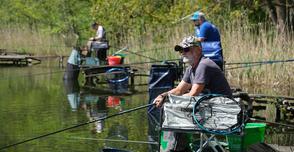
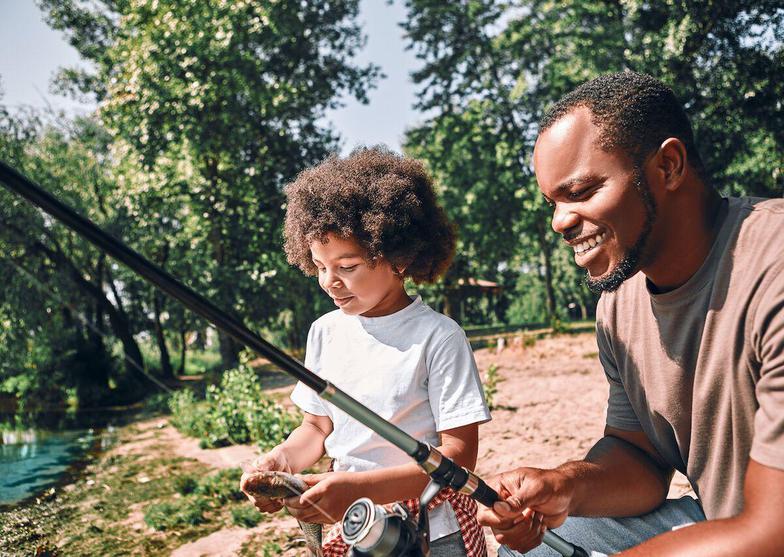
Freshwater fishing is a popular and enjoyable activity that involves fishing in non-saline bodies of water such as lakes, rivers, ponds, and reservoirs. It's a great way to relax, connect with nature, and even provide a healthy source of food. 

Techniques and strategies

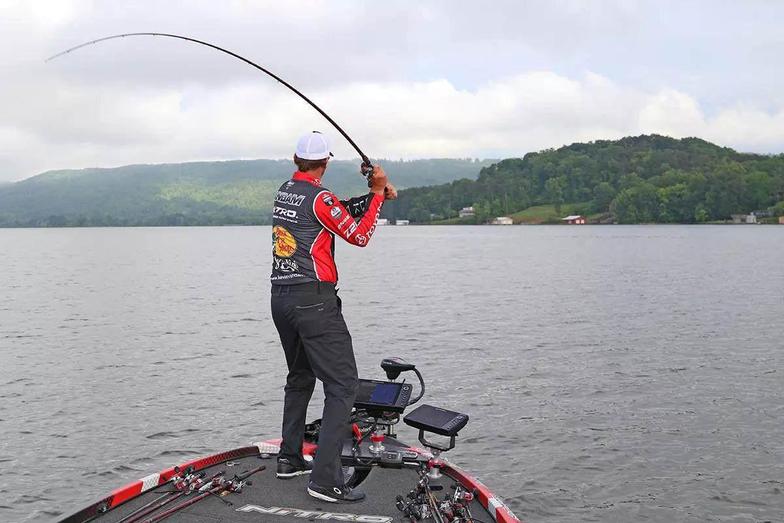
Casting: The fundamental technique, involving throwing the bait or lure into the water using a rod. Different casting techniques exist, including overhead, sidearm, pitch, and side-side casting.

Bait Fishing: Using live or natural bait like worms, minnows, or insects to attract fish. This is often a good option for beginners.

Lure Fishing: Using artificial lures, such as crankbaits, jigs, or soft plastics, to imitate prey and attract fish.
Still Fishing: A basic technique where the bait is cast and left in place, suitable for beginners.

Flipping and Pitching: Techniques used to accurately place lures in specific spots, particularly useful in areas with heavy cover.

Fly Fishing: A specialized technique employing artificial flies as bait, often targeting trout and salmon. 

Essential equipment
Rod and Reel: A spinning combo is often recommended for beginners.

Line: Monofilament line in the 4-12 pound test range is a good starting point.

Hooks: A selection of single hooks in different sizes is crucial.

Weights/Sinkers: Used to get bait or lure to the desired depth. Split shot, bullet, and egg sinkers are common types.

Bobbers: These indicators show when a fish is biting.
Tackle Box: To keep hooks, lures, and other tackle organized.

Bait/Lures: Choose based on the target species, water conditions, and time of year.

Tools: Line cutters, pliers, and a hook remover are useful for various tasks.

Landing Net: Helps safely land fish, especially larger ones.

Fishing License: Required in most locations, check local regulations. In Florida, resident anglers between 16 and 64, and non-resident anglers 16 and older, must have a license to fish in freshwater. 

Safety and regulations
Wear a Life Jacket: Especially when wading or boating.

Be Cautious of Weather: Check forecasts and avoid fishing during severe weather.

Understand Safe Boating Practices: If using a boat, familiarize yourself with boating safety guidelines.

Inform Someone of Your Plans: Let a friend or family member know where and when you'll be fishing.

Handle Equipment Carefully: Hooks and lures can cause injuries.

Respect Wildlife: Be aware of your surroundings and avoid disturbing habitats.

Stay Hydrated and Protected from the Sun: Drink plenty of water and use sunscreen, hats, and sunglasses.

Dispose of Waste Properly: Be environmentally responsible and avoid littering.

Follow Park and Area Regulations: Adhere to rules and restrictions, especially in designated parks or wildlife areas.

Benefits of freshwater fishing
Relaxation and Stress Relief: Connects you with nature and provides a calming experience.

Physical Activity: Walking, casting, and retrieving engage various muscle groups.

Vitamin D Exposure: Spending time outdoors increases Vitamin D intake, which is beneficial for bone health and mood.

Mental Well-being: Improves concentration and patience, and can be used as a form of therapy.
Social Connection: Enjoyed with friends and family, and provides opportunities to meet other anglers.

Sustainable Food Source: Offers the chance to catch healthy fish to eat. 

Freshwater fishing is a rewarding activity that can be enjoyed by people of all ages and skill levels. With the right knowledge and equipment, you can enjoy a fulfilling and memorable experience.