

FishingGearUnlimited.com
Fishing -Education - Gear - Strategies - Solutions



Freshwater Fishing Overview:
More Techniques,
Equipment, And Baits
Freshwater fishing is a popular and enjoyable activity that involves fishing in non-saline bodies of water such as lakes, rivers, ponds, and reservoirs. It's a great way to relax, connect with nature, and even provide a healthy source of food.
Techniques And Strategies
Casting: The fundamental technique, involving throwing the bait or lure into the water using a rod. Different casting techniques exist, including overhead, sidearm, pitch, and side-side casting.
Bait Fishing: Using live or natural bait like worms, minnows, or insects to attract fish. This is often a good option for beginners.
Lure Fishing: Using artificial lures, such as crankbaits, jigs, or soft plastics, to imitate prey and attract fish.
Still Fishing: A basic technique where the bait is cast and left in place, suitable for beginners.
Flipping and Pitching: Techniques used to accurately place lures in specific spots, particularly useful in areas with heavy cover.
Fly Fishing: A specialized technique employing artificial flies as bait, often targeting trout and salmon.
Essential Equipment
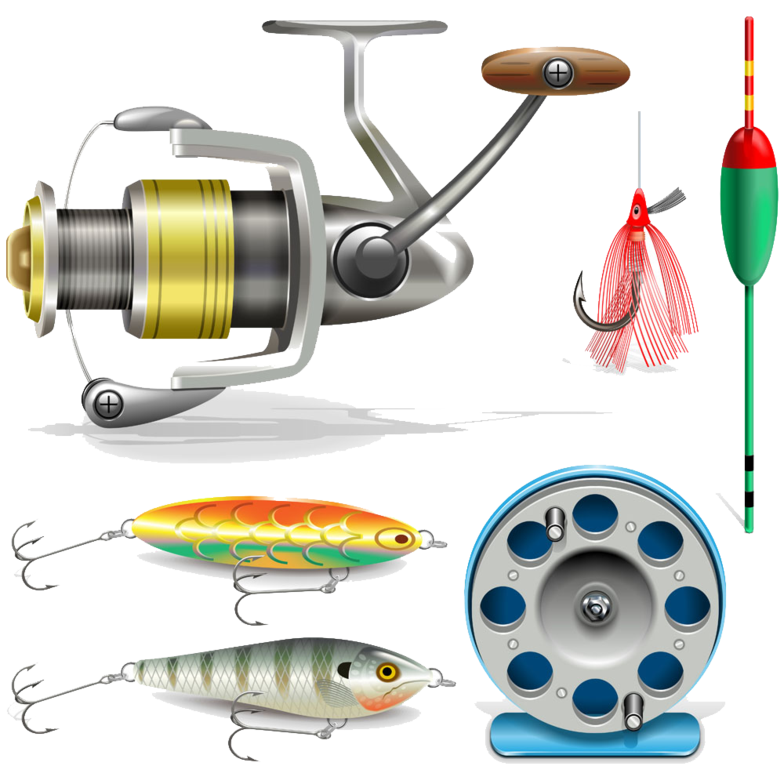
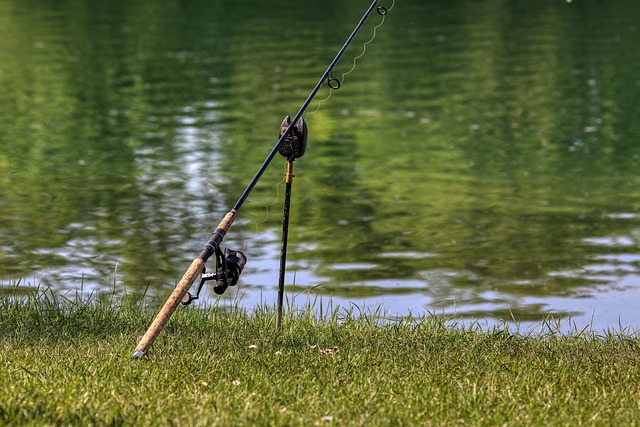
Rod and Reel: A spinning combo is often recommended for beginners.
Line: Monofilament line in the 4-12 pound test range is a good starting point.
Hooks: A selection of single hooks in different sizes is crucial.
Weights/Sinkers: Used to get bait or lure to the desired depth. Split shot, bullet, and egg sinkers are common types.
Bobbers: These indicators show when a fish is biting.
Tackle Box: To keep hooks, lures, and other tackle organized.
Bait/Lures: Choose based on the target species, water conditions, and time of year.
Tools: Line cutters, pliers, and a hook remover are useful for various tasks.
Landing Net: Helps safely land fish, especially larger ones.
Fishing License: Required in most locations, check local regulations. In Florida, resident anglers between 16 and 64, and non-resident anglers 16 and older, must have a license to fish in freshwater.
Safety And Regulations
Wear a Life Jacket: Especially when wading or boating.
Be Cautious of Weather: Check forecasts and avoid fishing during severe weather.
Understand Safe Boating Practices: If using a boat, familiarize yourself with boating safety guidelines.
Inform Someone of Your Plans: Let a friend or family member know where and when you'll be fishing.
Handle Equipment Carefully: Hooks and lures can cause injuries.
Respect Wildlife: Be aware of your surroundings and avoid disturbing habitats.
Stay Hydrated and Protected from the Sun: Drink plenty of water and use sunscreen, hats, and sunglasses.
Dispose of Waste Properly: Be environmentally responsible and avoid littering.
Follow Park and Area Regulations: Adhere to rules and restrictions, especially in designated parks or wildlife areas.
Benefits Of Freshwater Fishing
Relaxation and Stress Relief: Connects you with nature and provides a calming experience.
Physical Activity: Walking, casting, and retrieving engage various muscle groups.
Vitamin D Exposure: Spending time outdoors increases Vitamin D intake, which is beneficial for bone health and mood.
Mental Well-being: Improves concentration and patience and can be used as a form of therapy.
Social Connection: Enjoyed with friends and family and provides opportunities to meet other anglers.
Sustainable Food Source: Offers the chance to catch healthy fish to eat.
Freshwater fishing is a rewarding activity that can be enjoyed by people of all ages and skill levels. With the right knowledge and equipment, you can enjoy a fulfilling and memorable experience.
Double click here to add text.
Freshwater Fishing
Freshwater fishing is a simple, relaxing, and highly accessible sport. It involves catching fish in body types like lakes, rivers, ponds, and streams, where the water contains minimal to no salt. Getting started does not require an expensive setup or prior experience.
The following breakdown outlines the essential gear, bait choices, setup mechanics, and basic techniques needed to make a successful first catch.
Watch this foundational guide for a complete visual walkthrough on rigging and shoreline fishing basics:
1. Essential Gear Checklist
Before heading to the water, a few basic tools are necessary to assemble a reliable beginner toolkit.
Fishing License: Most states require a valid permit for anglers over a certain age. Licenses can be purchased online through state agencies like Go Outdoors Florida or nationwide locators like Take Me Fishing.
Rod and Reel Combo: A 6-foot, medium-power spinning rod and reel combo is highly recommended. Spinning or spincast reels are much easier for beginners to control than baitcasting models.
Fishing Line: Spool the reel with a 6-lb to 10-lb test monofilament line. "Test" refers to the weight the line can hold before breaking.
Terminal Tackle: A basic tackle box should contain a variety of hooks (sizes 6 to 10), clip-on plastic bobbers, and alloy split-shot weights. Alloy weights are preferred over lead because they are safer for the ecosystem.
2. Live Bait vs. Artificial Lures
Beginning with live bait is generally more productive because the natural scent and movement easily trick fish.
Lures: Options like a compact quarter-ounce spinnerbait or a wacky-rigged plastic worm work well for covering water quickly once casting comfort is achieved.
3. The Classic Bobber Rig Setup
The simplest, most effective rig for beginners is the bobber rig (or float rig). It keeps the bait suspended in the water column and provides a clear visual signal when a fish bites.
Tie the Hook: Use a strong, basic knot (like the Improved Clinch Knot) to securely attach a size 8 hook to the end of the line.
Attach the Weight: Clamp one or two small alloy split-shot weights onto the line, roughly 8 to 12 inches above the hook. This weight pulls the bait down into the water.
Clip on the Bobber: Attach a plastic bobber 3 to 4 feet above the weights. Adjusting the bobber higher or lower changes how deep the bait sits in the water.
4. Where and When to Fish
Fish are highly dependent on water temperature and structure for safety and feeding. Understanding the 90/10 rule helps narrow down locations: 90% of the fish live in just 10% of the water.
Look for Structure: Fish rarely swim in wide-open, empty water. Target areas near docks, fallen trees, weed edges, lily pads, or large rocks where fish hide from predators.
Time of Day: The best times to fish are dawn and dusk. Fish feed actively when light levels are low and water temperatures are cooler.
Weather Factors: Overcast or cloudy days are excellent for fishing. The clouds block the sun, making fish feel safer leaving their deep hiding spots to hunt for food.
5. Catching and Releasing Safely
When the bobber gets pulled completely under the water surface, a fish is biting!
Set the Hook: Avoid yanking the rod violently. Instead, quickly pull the rod tip upward with a firm, smooth motion to secure the hook in the fish's mouth.
Reel Safely: Keep steady pressure on the line while reeling. Giving the fish slack line gives it a chance to shake the hook free.
Fish Handling: Wet your hands before touching the fish to protect its protective slime coat from stripping away. Avoid touching the sharp spines on the top fins of panfish. Use needle-nose pliers to gently grasp the hook and back it out of the mouth safely.
Double click here to add text.
Freshwater fishing is one of the most accessible and relaxing ways to connect with nature, requiring minimal gear to get started. By learning the basic gear setup, effective baits, and the 90/10 rule of location, you can confidently make your first catch in any local pond, lake, or river one of the most exciting you will ever have.
Essential gear for beginners means you do not need a boat or expensive tackle right away to catch fish from a bank or shoreline. A simple, budget-friendly setup will get you fishing immediately. Using a simple rod and reel with a 6-foot medium-action spinning rod paired with a 2000 or 2500 size spinning reel is the most versatile setup for most beginners.
Using fishing line most of the time will involve spooling your reel with 4-to-8-pound test monofilament line, which is easy to tie and strong enough for most freshwater species. With terminal tackle, pack a small tackle box with size 6 to 10 bait hooks, a few clip-on plastic bobbers, and a package of alloy split-shot weights. Always choose alloy over lead weights to protect local water environments.
Top Bait Options with freshwater fish rely heavily on scent and natural movement. While artificial lures work well as you gain experience, live bait is highly recommended for your first few trips. Live worms, nightcrawlers or smaller red wigglers are the ultimate universal bait. They easily hook panfish, bluegill, bass, and catfish. With live minnows, hooking a live minnow through the nostril keeps it lively and suspended in mid-water, making it irresistible to crappie and bass. With universal lures, you may prefer artificial lures, so start with a small white paddletail jig. Simply cast it out and reel it back smoothly to mimic a swimming baitfish.
Where and when to fish for success on the water comes down to the 90/10 Rule: 90% of actively feeding fish live in just 10% of the water. Always look for structure. Avoid casting into open, empty water. Focus your casts near docks, fallen trees, lily pads, or steep shoreline drop-offs where fish hide from predators and wait for food.
Watch the Clock: Fish are most active during the early morning hours just after dawn and late evening hours around dusk. The lower light levels and cooler water temperatures cause them to move into shallower water to feed. Check your local rules before heading out and always secure a state freshwater fishing license and review local bag or size limits online. You can easily purchase permits and locate nearby spots via resources like the Take Me Fishing License Finder. So Tight Lines, Happy Times!
Fresh Water Fishing