

FishingGearUnlimited.com
Fishing - Education - Gear - Strategies - Solutions
“Your Gateway to the World of Fishing.”

Fishing Strategies

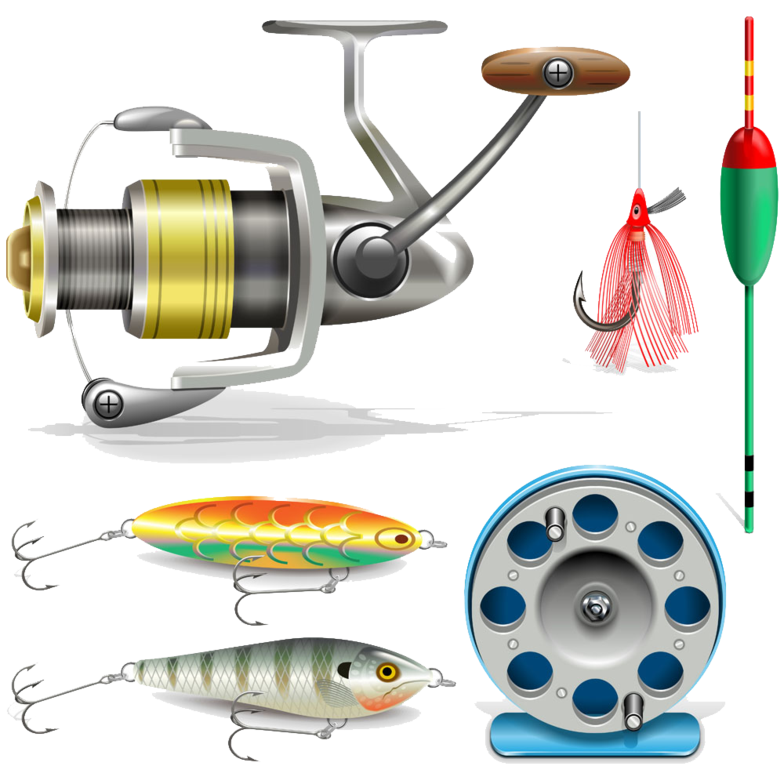
Some Fishing Tips and Tricks
A good fishing strategy combines knowledge of fish behavior, proper techniques, and patience. For beginners, starting with basic gear and simple techniques in smaller bodies of water can build confidence before moving to more advanced methods.
Foundational fishing tips
Research and preparation
Do your homework: Research local waters to understand the behavior of the fish you're targeting.
Check gear condition: Before you leave, inspect your equipment. Old line can be weak, and even brand-new hooks should be checked for sharpness.
Know the rules: Get a fishing license and learn the local size and bag limits.
Reading the water
Observe the surface: Look for subtle ripples or swirls that indicate fish activity.
Find structure: Fish often hide around features like submerged logs, rocks, and weed beds. Look for areas where the bottom changes, such as from sand to gravel.
Target depth and currents: Most fish don't stay in the fastest-moving water. Instead, they position themselves in slower currents or eddies to ambush food. In lakes, focus on areas where shallow water meets deeper water.
Consider the wind: Wind can push food toward a shoreline, attracting fish. On a lake, fish the downwind side.
Using bait and lures
Match the "hatch": Use lures that mimic the size, shape, and color of the local baitfish and insects. As a general rule, match your lure color to the water: use chartreuse in green water, white in clear water, and root beer in tannic-stained water.
Vary your presentation: If a certain lure isn't working, try changing the color, size, retrieval speed, or fishing depth. Don't waste too much time on a lure that isn't producing bites.
Try live bait: On days when lures aren't effective, a simple setup with live bait, like worms or minnows, can be very successful.
Essential techniques
Set the hook effectively: Once you feel a tug, quickly raise your rod tip to set the hook firmly in the fish's mouth.
Learn a few knots: Mastering a few simple knots is crucial for keeping your catch on the line. The Palomar and Improved Clinch knots are reliable choices for beginners.
Reel properly: When you have a fish on the line, keep your rod tip high and use it to pull the fish toward you. Then, lower the rod while reeling in the slack.
Safety and ethical practices
Stay safe
Fish with a companion: It's always best to fish with someone who can assist in an emergency.
Wear a life vest: This is especially important when fishing from a boat, wading in a strong current, or fishing near deep, fast-moving water.
Be aware of your surroundings: Don't cast near other people and always look around before you cast.
Practice catch and release
Wet your hands: Use wet hands or wet gloves when handling a fish to protect its natural slime coat.
Minimize air exposure: Keep the fish in the water as much as possible, especially when removing the hook.
Cut the line: If a fish has swallowed the hook, cut the line as close to the mouth as possible instead of trying to tear the hook out.
Revive the fish: If the fish seems stressed, gently move it back and forth in the water to help water flow through its gills. When it starts moving on its own, release it.
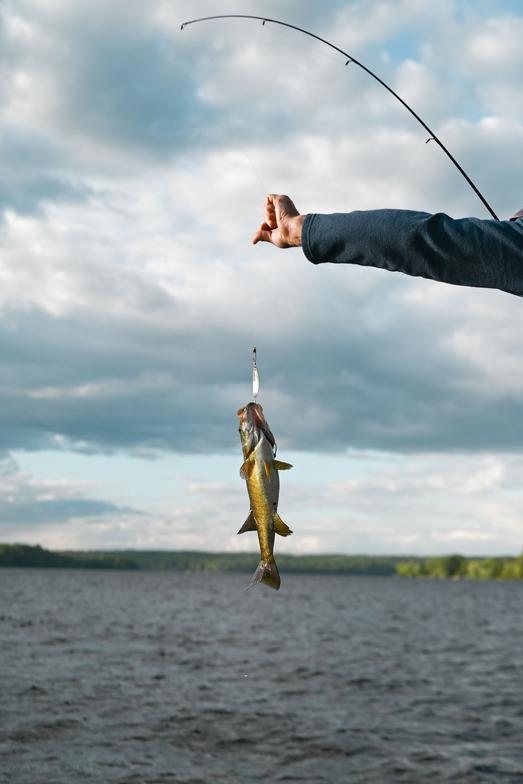
Effective fishing strategies include finding productive spots with cover, mimicking natural prey with lures, alternating between bait and lures, and understanding water conditions. Mastering basic casting and retrieval techniques, covering more water to locate fish, and matching your gear to the fish species are also crucial for success.
Where to Find Fish
Look for cover: Fish often hide in areas with structure, such as fallen trees, weed beds, rocks, and man-made structures like bridges or piers.
Identify productive areas: In streams and rivers, focus on creek turns, deeper pools, current breaks, and areas around bridges and riprap.
Find the 90% of fish in 10% of the water:
Focus your efforts on small areas or specific structures where fish tend to gather.
Bait and Lure Strategies
Mimic natural prey: Match the color, size, and shape of the lures to the natural food sources in the water.
Alternate between bait and lures:
Use both live bait (like worms or minnows) and lures, as fish preferences can change daily.
Vary your retrieval speed:
Don't just reel in as fast as possible; mimic the natural movement of a live baitfish by varying your retrieve speed, pauses, and twitches.
Use seasonal and weather-appropriate baits:
Consider brighter colors in summer when fish are active and more neutral colors in cold water when their metabolism slows down.
Technique and Equipment Tips
Improve your casting: Learn to cast accurately to place your lure precisely where you want it.
Cover more water: Instead of spending too much time changing lures in one spot, move around to find actively feeding fish.
Choose the right gear: Select fishing gear, lines, and hook sizes that are appropriate for the size of the fish you are pursuing.
Match your presentation to the water clarity: In clear water, use more natural-looking presentations, like subtle-colored greens and browns, to avoid spooking the fish.
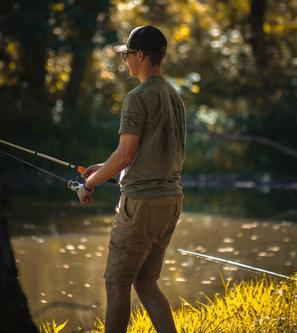




Our Website Is About Fishing - We Present Educational Information
with Intelligence from a Wide Network of Experts and
Resources To Help You Accomplish ALL Your Fishing Success!
Successful fishing combines proper gear, targeted techniques, and an understanding of fish behavior. To consistently catch fish, you must present the right bait in areas where fish naturally seek cover and food.



Successful freshwater fishing strategies rely heavily on matching your presentation to the environment, target species, and water temperature. By targeting structural boundaries and varying your approach based on conditions, you can significantly
increase your catch rate. Here are some freshwater fishing tips from
Target Critical Water Structures
Fish rarely gather in completely open, empty water; they require safety, shade, and access to prey. Here is some Top Techniques for Catching Fish in Freshwater Lakes from Bent Rod Fishing.
Weed lines and lily pads: These offer prime concealment for ambush predators like largemouth bass. Cast along the edges or use weedless soft plastics right over the vegetation.
Submerged logs and stumps: Woody debris attracts baitfish and insects, drawing in larger predatory fish.
Drop-offs and shelves: Fish hold along sudden depth changes to move easily between deep, cool water and shallow feeding flats.
Match Lures and Rigging Techniques
Mastering a few foundational presentations allows you to target the entire water column effectively. Here is a fishing tips video for a fresh water tackle box from the Texas Parks and Wildlife.
Topwater: Use poppers or hollow-body frogs. Work them with erratic, twitching retrieves early in the morning or late in the afternoon when fish actively surface-feed.
Mid-depth moving baits: Spinnerbaits and shallow crankbaits cover large sections of water quickly. They are ideal for aggressive fish holding around scattered cover.
Bottom bouncing: Jigs tipped with soft plastic trailers or a classic Texas-rigged worm excel in heavy cover. Retrieve them slowly along the bottom with gentle hops.
Finesse rigs: When lakes face heavy fishing pressure or clear water, deploy a drop-shot rig. Suspend a small soft plastic minnow or worm just above a bottom weight and twitch it gently in place.
Adapt to Weather and Time
Environmental factors dictate fish energy levels and positioning.
Low-light peaks: Dawn and dusk provide cooler water temperatures and dim light, encouraging fish to leave deep water to hunt in the shallows.
Cloudy vs. sunny days: Overcast skies keep fish active and scattered throughout the day. Bright sunlight pushes fish deep into the shade of heavy docks, weeds, or overhanging trees.
Wind ripple: A gentle breeze creates surface chop. This breaks up sun penetration, breaks up your silhouette, and helps disguise your line from cautious fish. Here are 10 Freshwater Fishing Tips for Beginners from Duck Bay Lodge..
Here is a video from iTopFishing about Top Fishing Techniques That Actually Catch Fish.
Last but certainly not least, this video from Anglers Escape shows How to Start Fishing Any Lake for Beginners with Tips and Techniques.
Many longtime fishermen and ladies know that fish rarely swim in open, barren water. They know that targeting boundaries where weeds, rock shelves, docks, or fallen logs meet open water are the best place to find fish hiding from the current and dangerous predators.
This article is just a sample of fishing intelligence and education you can learn on our website.
In conclusion, being here on our website at FishingGearUnlimited.com and saving us as one of your favorite online fishing sites will assure you learn as much as you can about being successful at fishing. We are constantly updating our site with fishing intelligence and resources you will not find anywhere else. Come back again! Happy Fishing!
Successful fishing combines understanding fish behavior, choosing the right gear, and applying targeted presentation techniques to outsmart your target species. The primary secret of elite anglers is locating the "productive water"—popularly known as the 80/20 rule, which states that 80% of the fish live in 20% of the water.